Leather, Vinyl & Plastic Repair: 5 Expensive Items You Can Restore Instead of Replace
That sinking feeling hits fast.
A puppy chews the corner of a leather sofa. Hot coffee splashes across a car console. A favorite pair of boots picks up a deep scuff the week of an important event. In a few seconds, an expensive item can look worn, stained, or ready for the trash.
For many homeowners, the next thought is even worse: How much will this cost to replace?
Surface restoration changes that conversation. Instead of removing a damaged item, ordering a costly replacement, and waiting weeks for delivery, many surfaces can be repaired and renewed on-site. Color Glo International has built its business around that idea, with mobile technicians who restore leather, vinyl, fabric, carpet, upholstery, and hard plastics using proprietary water-based products and color-matching techniques.
Why surface restoration makes sense for expensive household items
Replacement used to feel like the only respectable option. If a sofa tore, a car seat cracked, or a handbag lost its finish, people often assumed repair would look obvious or temporary.
That assumption is outdated.
Modern restoration focuses on the damaged area, the surrounding texture, and the original color. A trained technician can clean, fill, repair, re-texture, and recolor many surfaces right where they are used. Compared with furniture replacement, dealership interior parts, marine upholstery rebuilds, or specialty leather replacement services, that approach is often faster and far less expensive.
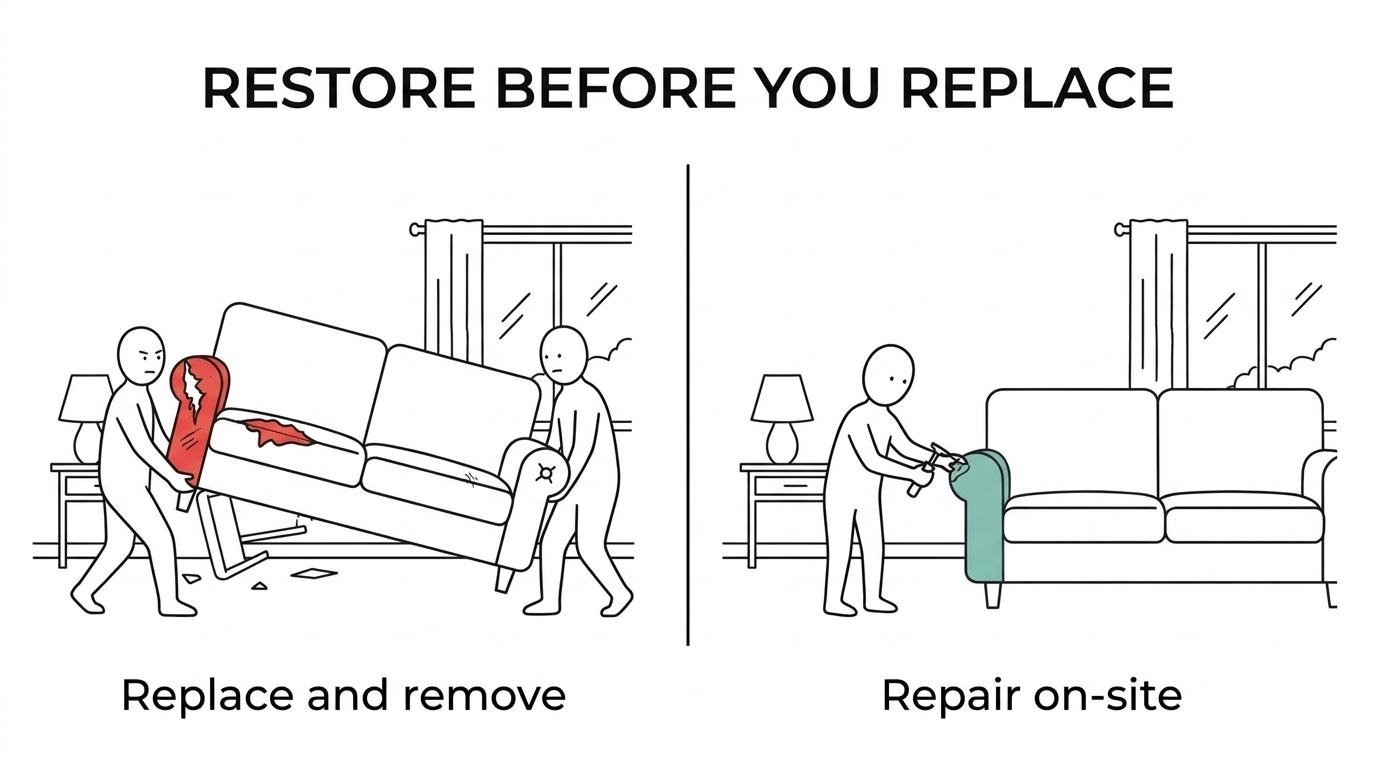
The value goes beyond convenience. The U.S. EPA estimates that furniture and furnishings generated 12.1 million tons of municipal solid waste in 2018, and about 80.1% of it was landfilled. Textiles added another 17 million tons, while recycling remained low. Repair keeps usable materials in service longer, which is exactly the kind of waste prevention public agencies and circular economy frameworks encourage.
A few reasons restoration is worth checking before you replace anything:
Lower cost
Less downtime
No hauling or shipping
Better use of materials already in service
Restore a family room sofa instead of replacing it
The living room sofa may be the hardest-working seat in the house. It handles pets, kids, naps, snacks, game nights, body oils, sunlight, and daily friction. Even a high-quality piece starts showing that life over time.
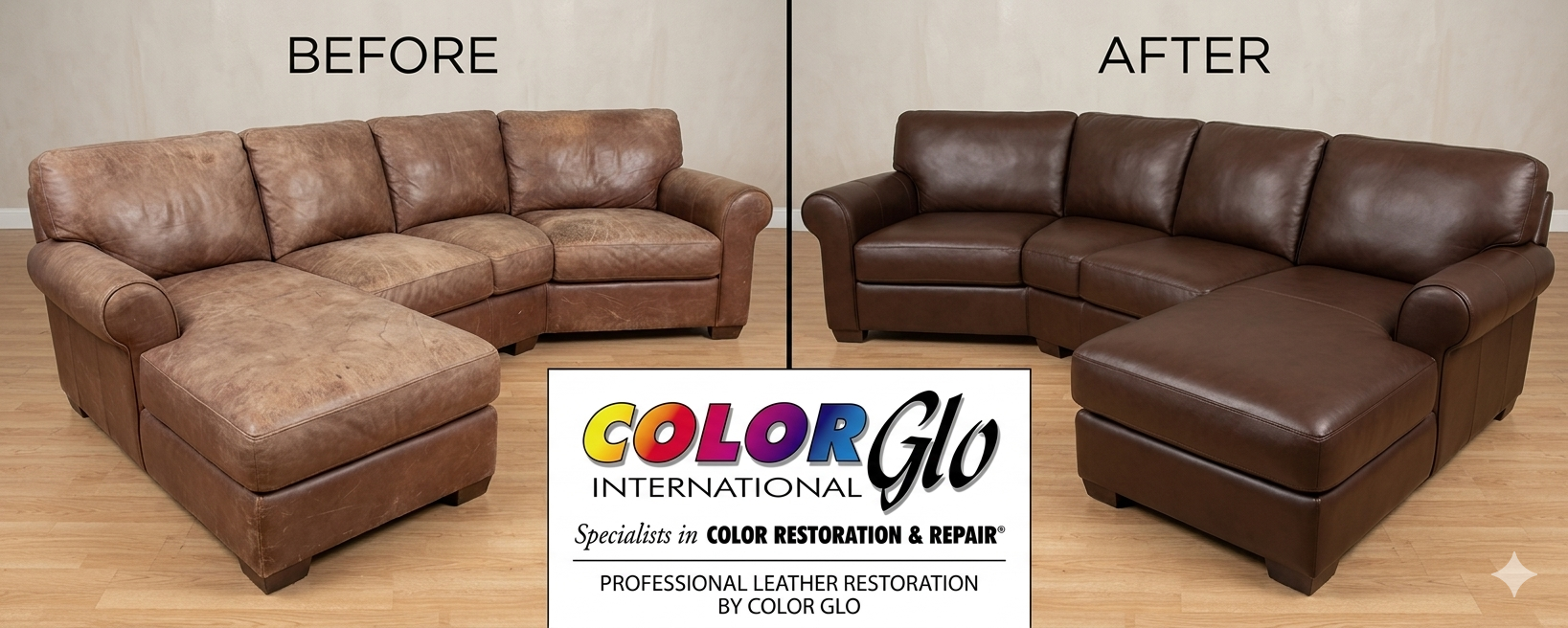
Leather can dry out, scratch, or fade. Vinyl can crack and split. Fabric can stain, burn, or fray along seams. A new premium sofa can easily run into the thousands, and full reupholstery may involve pickup, transport, fabric selection, and a long wait. That is why targeted restoration has become appealing to households that want the furniture they already like, just without the damage.
Color Glo technicians repair and restore leather, vinyl, and fabric furniture on-site, which means no wrestling a heavy sectional through a doorway and no interruption to your room setup.
Some of the most common sofa issues that can often be addressed include:
Surface damage: scratches, scuffs, fading, peeling, and worn finish
Accidental damage: rips, tears, burns, punctures, and pet marks
Appearance issues: body oil discoloration, beverage stains, food stains, and uneven color
Service advantage: on-site repair and color matching without removing the furniture
This is one area where Color Glo stands out from many traditional upholstery options. Reupholstery shops do excellent structural work, yet they usually require off-site handling and deeper reconstruction. Surface restoration is different. It is designed to revive the materials you already have when the frame and overall piece still make sense to keep.
Repair a damaged car interior before trade-in or resale
Drivers often focus on paint, tires, and mileage, while the interior tells its own story. A clean, well-kept cabin suggests care. A cracked seat bolster, faded dash, or stained carpet suggests neglect, even when the vehicle runs perfectly.
That matters whether you plan to keep the car, trade it in, or sell it privately.
Replacement interior parts can become expensive fast. A dealership may recommend a new panel, a new steering wheel cover, or even a new seat skin. An upholstery shop can help, though off-site work and part replacement add time and cost. Mobile surface restoration targets the wear directly, which is why it has become popular for individual owners, dealerships, rental fleets, and detail professionals.
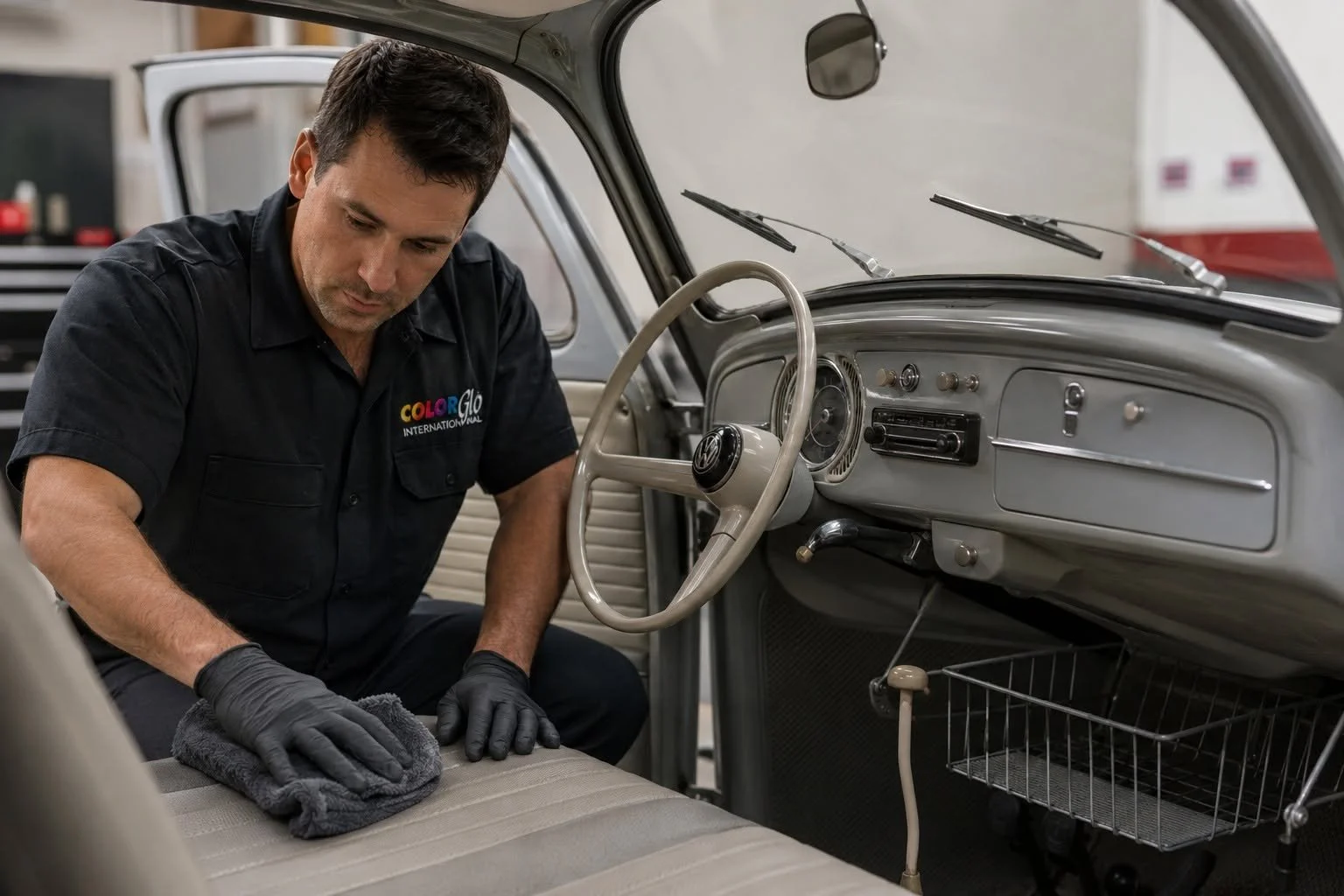
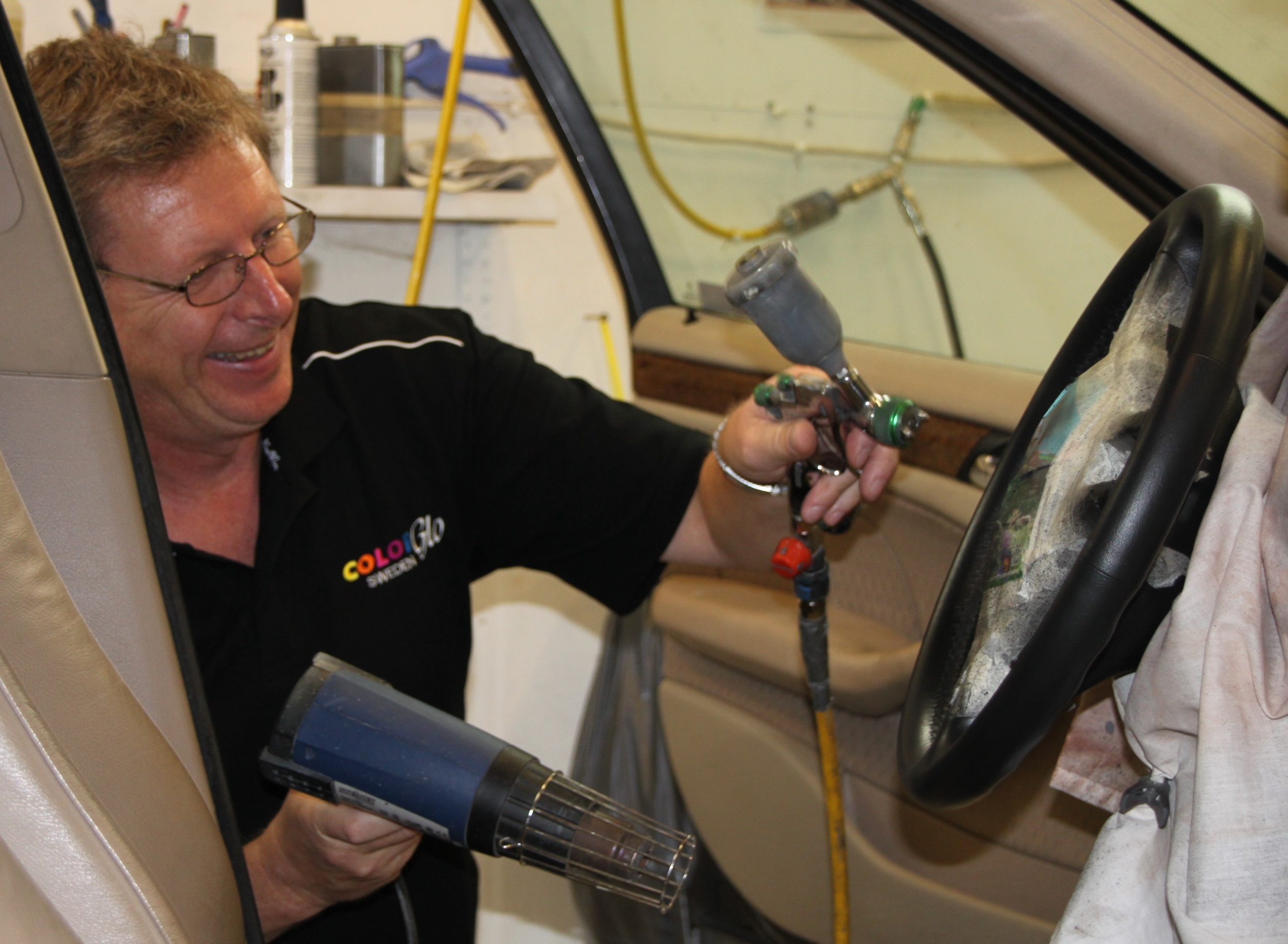
Color Glo’s mobile service model is especially useful here. Their service vehicles act like labs on wheels, allowing technicians to work in a driveway, office parking lot, or fleet location.
Common vehicle interior repairs often include:
Cracked leather seat bolsters
Torn vinyl panels
Worn steering wheels
Sun-faded dashboards
Coffee or ink stains on consoles and carpets
Cigarette burns in upholstery
The financial logic is straightforward. A modest repair bill can help protect resale value, improve the daily driving experience, and avoid the sticker shock of replacing factory interior components. For people who spend hours every week in their cars, restoring the interior also changes how the vehicle feels to use.
Restore designer handbags, boots, and luggage instead of retiring them
Luxury accessories are made to last, but they are not immune to life. Corner wear on a handbag, a scuffed toe on a leather boot, a torn lining in a briefcase, or a stained carry-on can make an otherwise beautiful item feel unusable.
That is frustrating, especially when the item still has years of wear left.
Many premium pieces carry both financial and personal value. Some were significant purchases. Others were gifts, milestone items, or long-time favorites that fit perfectly and age well. Replacing them may not even be possible if the item is discontinued. Traditional leather repair specialists can be a good option, though shipping items away and waiting for them to return is not always ideal.
Color Glo’s material expertise is a strong fit for this category because fashion accessories often combine delicate color, coated finishes, soft leather, vinyl trim, or textile elements that need careful matching rather than broad repainting.
When restoration is a good option, owners are usually trying to solve one of three problems:
Visual wear: scuffs, scratches, fading, and color loss
Functional damage: torn linings, split seams, worn edges, and frayed stitching
Preservation value: extending the life of premium items instead of replacing them with lower-quality alternatives
A restored bag or pair of boots does more than look better. It returns an item to active use, which is usually the whole point of buying something well made in the first place.
Save boat cushions and RV interiors from sun, moisture, and road wear
Boat and RV owners know that outdoor exposure is relentless. Sun bakes vinyl. Moisture stresses seams. Movement, temperature swings, sunscreen, sand, and heavy traffic wear down surfaces that would last much longer inside a climate-controlled home.
Custom replacement in these categories is rarely cheap.
Marine cushions often need specialized materials, pattern matching, and fabrication time. RV seating and trim can involve custom shapes, discontinued colors, and hard-to-source panels. Competitors in the replacement market may recommend full re-covers or new components, which makes sense when damage is severe. Yet a lot of wear is surface-level: cracking, fading, stains, seam issues, and localized tears.
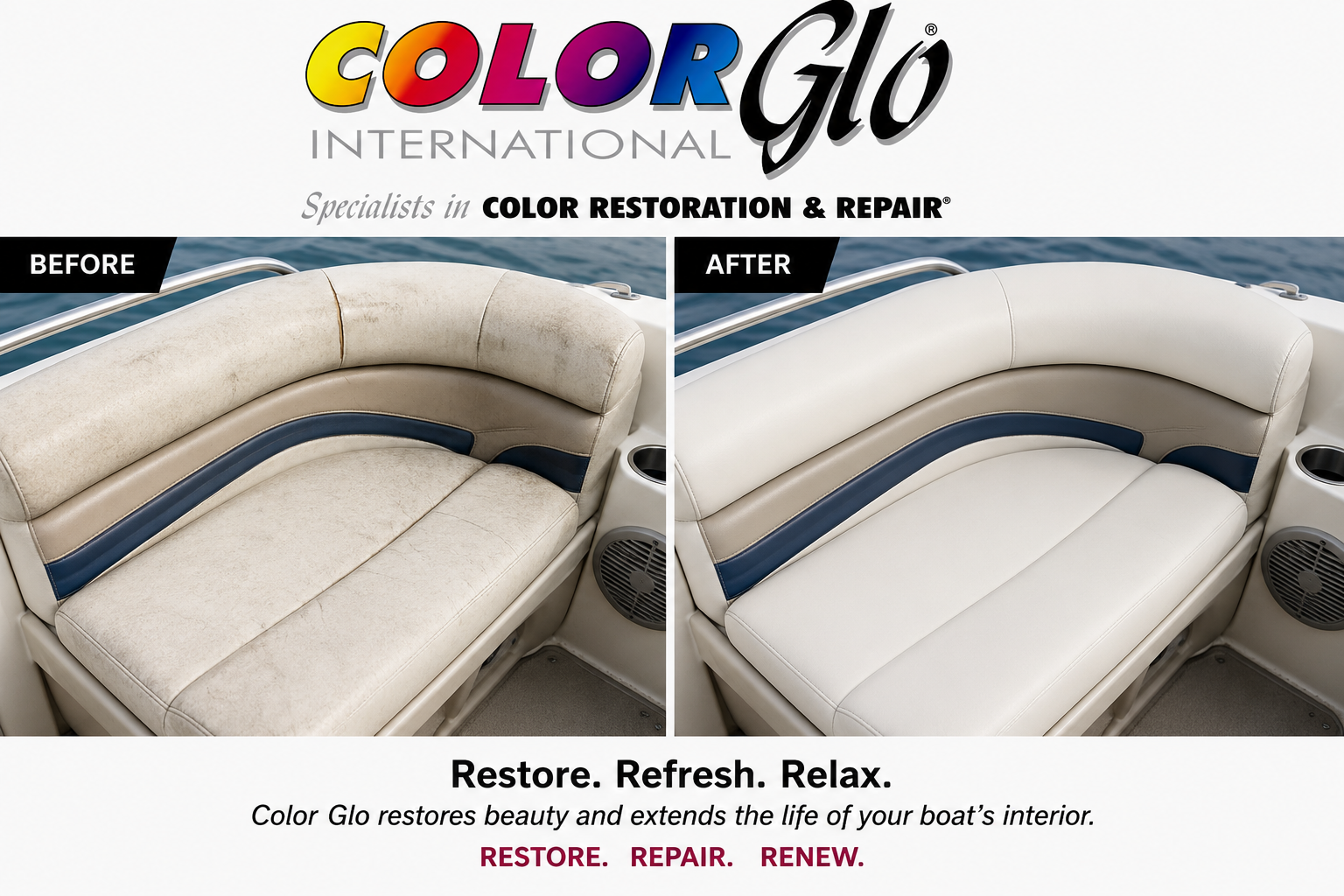
That is where restoration offers strong value. Color Glo promotes materials that meet strict FAA and ISO quality standards, a useful signal for owners who need durability and consistency in demanding environments.
A boat owner can often have seating restored at the marina or storage site. An RV owner may be able to schedule service at home instead of planning a shop drop-off around travel dates.
For people who use their recreational vehicles often, that convenience is more than a perk. It helps keep downtime low during the months when they actually want to be on the road or on the water.
Repair high-traffic hard plastics and trim that look impossible to save
Hard plastic damage is one of the most overlooked restoration categories. People expect leather and fabric to be repairable. Plastic tends to get written off the moment it is gouged, scratched, or faded.
That is a costly mistake.
Hard plastics appear all over homes and vehicles: trim pieces, molded panels, consoles, office furniture, composite doors, window casings, and other frequently handled surfaces. Once these materials lose color or texture, replacement may mean hunting for a matching part, replacing an entire assembly, or living with a patchwork result.
Color Glo’s restoration process can fill damage, rebuild texture, and recolor the repaired section so the finish blends with the original appearance. That matters in spaces where a small damaged area pulls attention away from an otherwise well-kept room or vehicle.
This type of repair is especially helpful when:
The damaged part is discontinued
The surrounding area is still in good condition
Replacement requires major labor for a minor visual defect
Matching the original finish would be difficult with a new part
In practical terms, hard plastic restoration helps owners avoid replacing much more than the damaged area itself.
Why repair instead of replace helps reduce waste and spending
Restoration is often framed as a budget choice, and it absolutely can save money. Color Glo states that many repairs can be completed for a fraction of replacement cost, with some situations saving up to 70% compared with buying new.
That alone gets attention.
There is also a broader upside. Repair keeps leather, vinyl, plastic, fabric, and foam-backed materials in use longer, which reduces the stream of bulky waste heading to local landfills. Public data supports the scale of the problem. Furniture, furnishings, and textiles represent a significant share of discarded material in the United States, and most of it is not recycled back into equivalent products.
A smart repair decision can support:
Lower disposal volume: fewer sofas, cushions, panels, and accessories sent to landfill
Better material use: extending the service life of items already manufactured
Smarter spending: reserving replacement budgets for damage that truly cannot be repaired
That makes restoration both practical and responsible without asking owners to lower their standards.
How on-site restoration works with mobile technicians
One of the biggest reasons people postpone repairs is the disruption. They picture moving furniture, arranging transportation, or losing access to a vehicle for days. Mobile restoration removes much of that friction.
Color Glo’s model is built around on-site service. A technician evaluates the material and damage, identifies whether repair or recoloring is appropriate, prepares the surface, performs the repair, and blends the finish to match the surrounding area. Many locations also offer free estimates, which makes it easier to compare repair costs against replacement before making a decision.
Not every item is a candidate. If the structure has failed, the foam is collapsed beyond use, or the damage is too extensive, replacement may still be the right call. A credible restoration specialist should say so.
Still, far more items are repairable than most people realize. A sofa corner, a cracked seat bolster, a scuffed boot, a faded boat cushion, or a scratched plastic panel may be one service visit away from looking useful and polished again.
The next time damage shows up on something expensive, the first move does not have to be the curb or the checkout page. Repair may be the smarter option, and in many cases, it is much closer than people think.

Contact Color Glo Anywhere Around the World
With a presence in over 50 countries and hundreds of locations across the United States, Color Glo stands as a global leader in interior restoration. Whether you’re a consumer seeking to revive your cherished furniture, vehicle, or commercial space, or an entrepreneur looking for a proven, home-based franchise opportunity, Color Glo offers unmatched expertise and support. Our certified technicians and franchise owners are transforming surfaces and lives every day—delivering sustainable solutions, exceptional value, and the confidence that comes from partnering with an internationally trusted brand. Wherever you are, Color Glo is ready to help you restore, renew, and build a brighter future.
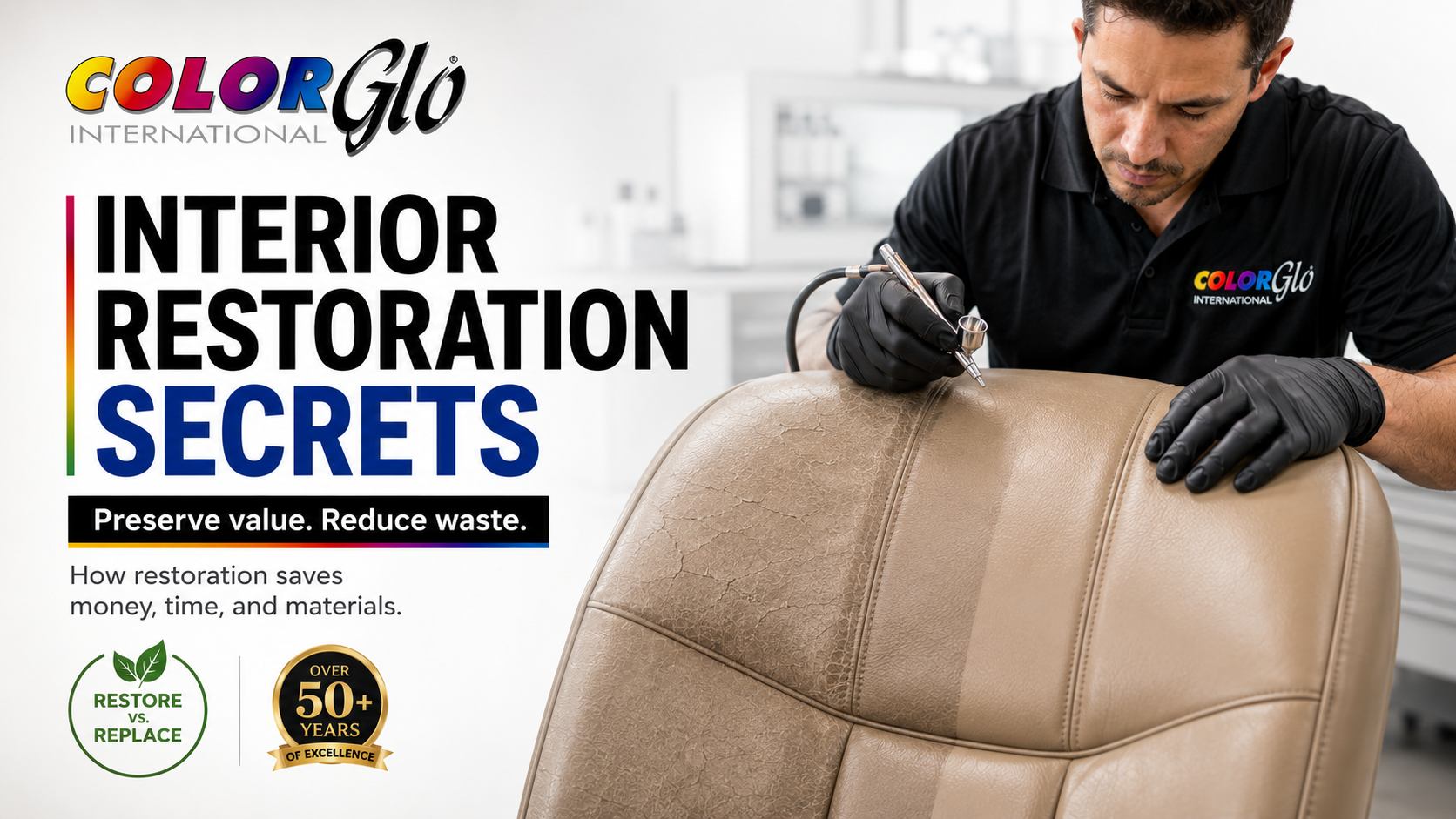
Don't Replace It, Restore It: 5 Surprising Things You Didn't Know Could Be Saved (And How Much It Saves You)
Interior restoration saves up to 70% by repairing medical, auto, marine, and home surfaces instead of replacing them for less waste and downtime.
Most people replace damaged interiors far too early.
A cracked leather sofa, a torn exam table, or a faded dashboard can look like a lost cause at first glance. Yet many of those surfaces are still structurally sound. What failed is the finish, the top layer, the color, or one isolated area of damage. Replacing the entire item often means paying more, waiting longer, and throwing away material that still has years of life left.
That is why interior restoration has become such a smart alternative. Color Glo has spent more than 50 years building a specialty around restoring leather, vinyl, velour, cloth, and hard plastics across residential, automotive, marine, aviation, and commercial settings. The company’s message is simple and persuasive: if the damage is localized, replacement may be the worst financial choice on the table.
Why interior restoration often beats replacement
Replacement sounds easy until the real costs show up. There is the purchase price, of course, but there is also shipping, labor, downtime, disposal, and the hassle of matching the original look. In business settings, replacement may mean taking assets out of service. In homes, it may mean parting with a piece that still fits the room perfectly.
Interior restoration changes that equation. Instead of discarding an entire chair, booth, panel, or seat, skilled technicians repair the damaged section, rebuild the surface if needed, and color-match it to the surrounding material. Color Glo states that restoration can often cost up to 70 percent less than replacement, which is why the approach has appeal in both consumer and commercial markets.
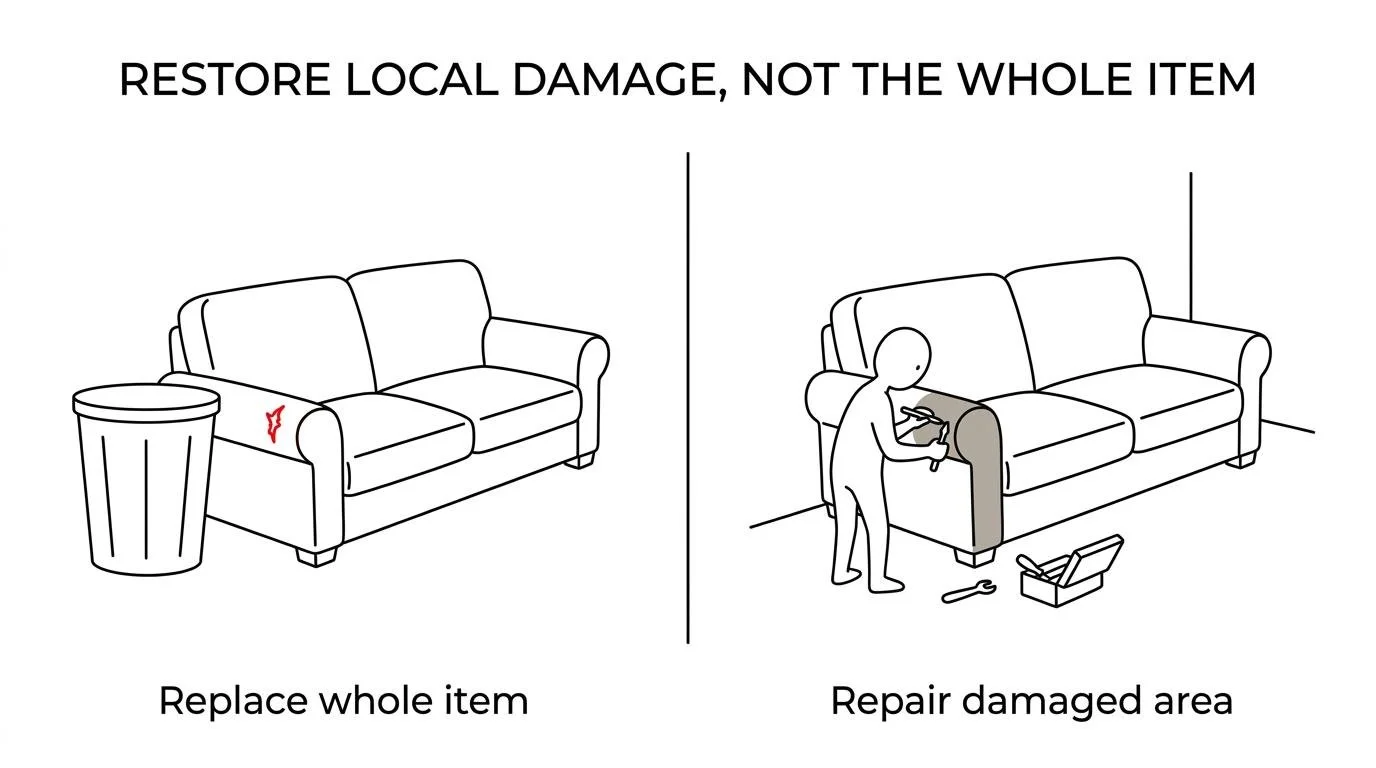
The environmental case is just as strong. The U.S. EPA classifies furniture and furnishings as durable goods and reports that they generated 12.1 million tons of municipal solid waste in 2018. Of that, 80.1 percent was landfilled. EPA guidance also encourages repairing worn items rather than disposing of them, since waste reduction saves money, conserves resources, and cuts emissions.
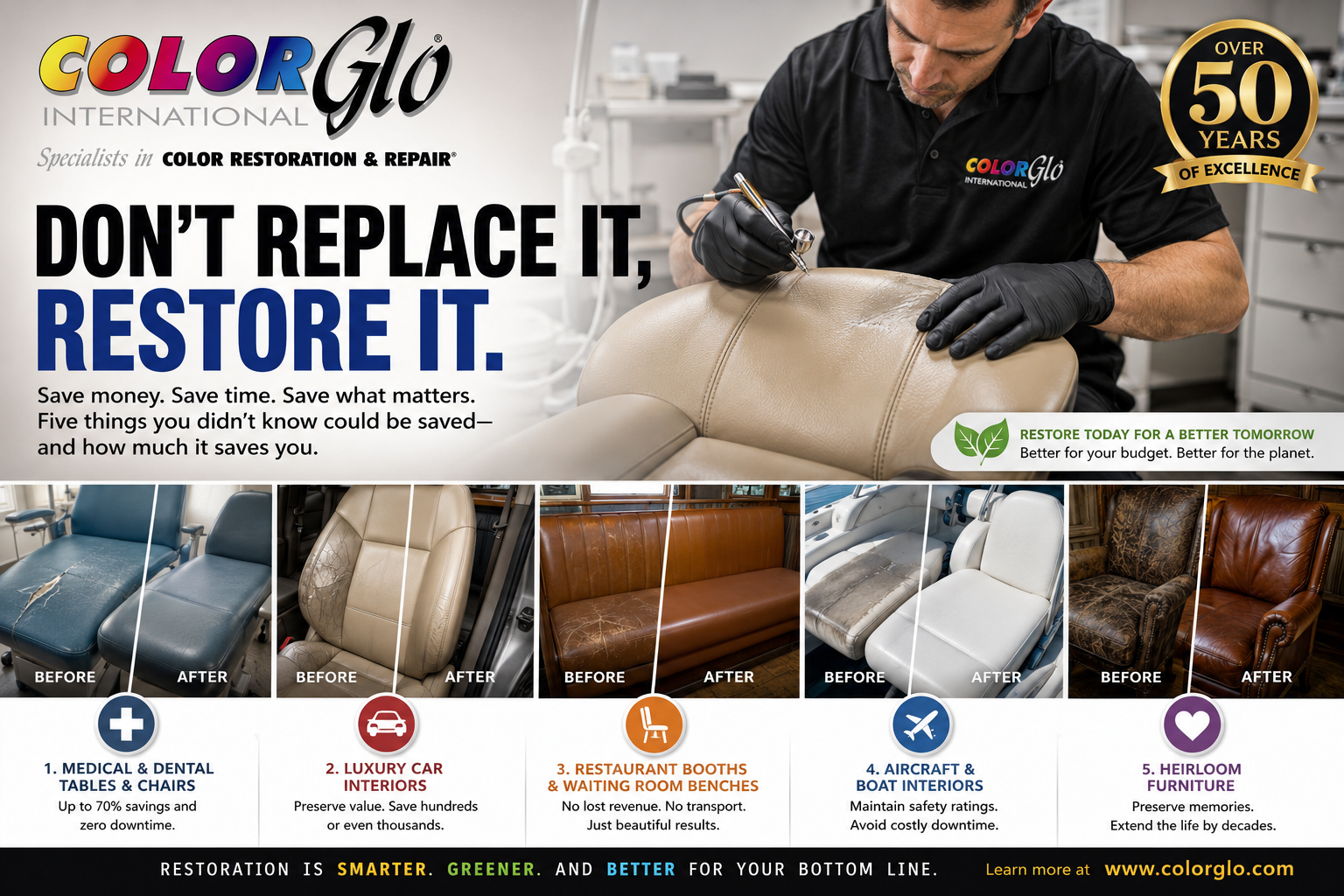
Medical Tables and Dental ChairsCommon reason people replace it: Tears create sanitation concerns What restoration changes: Repairs damaged vinyl on-site with non-porous finishes Typical savings impact: Often far below replacement cost
Vehicle InteriorsCommon reason people replace it: Cracked leather, faded plastic, scratches What restoration changes: Restores color, texture, and surface integrity Typical savings impact: Often hundreds to thousands saved
Restaurant and Lobby SeatingCommon reason people replace it: Peeling vinyl hurts first impressions What restoration changes: Repairs booths and benches during off-hours Typical savings impact: Avoids lost seating revenue
Boat and Aircraft InteriorsCommon reason people replace it: Sun, moisture, wear, strict standards What restoration changes: Restores cabins while preserving performance requirements Typical savings impact: Reduces downtime costs
Heirloom FurnitureCommon reason people replace it: Fading, drying, splits, sentimental damage What restoration changes: Extends life while preserving character Typical savings impact: Value goes beyond purchase price
Five surprising interior restoration projects that can be saved
The most surprising part of this industry is not that restoration works. It is how many categories it touches.
Many people think only of sofas and car seats. The actual list is much broader, and the savings become even more compelling when the item is specialized, regulated, or hard to replace.
Medical exam tables and dental chairs restoration
In healthcare spaces, damaged vinyl is more than a cosmetic problem. A tear can create a porous area where fluids and bacteria are harder to manage, which raises sanitation concerns and can put staff in an uncomfortable position.
The default response is often to order a new table or chair. That can mean high capital expense and long wait times, especially for manufacturer-specific equipment. Restoration offers a faster path. Color Glo describes on-site repair methods that address the damaged surface and return the vinyl to a non-porous, service-ready condition without removing the entire unit from use.
For clinics and practices, the savings go well beyond the invoice.
Cost control: avoids buying a full replacement unit
Operational continuity: keeps rooms available for patients
Safety and appearance
Compliance support: damaged surfaces do not linger in service
Automotive leather seats and plastic dashboard restoration
Automotive interiors are punished by sunlight, friction, keys, spills, pets, and everyday use. A single cracked bolster on the driver’s seat or a scratched dashboard panel can make the entire cabin feel worn out.
Dealerships and vehicle owners often assume replacement is the only way to regain a factory look. Yet specialized interior restoration can repair leather, rebuild damaged areas, and match the original color and sheen on hard plastics and trim. That matters in daily drivers, lease returns, collector vehicles, and dealer inventory alike.
A restored interior also protects resale value. Buyers notice cabin condition immediately, and visible wear invites discounting. A well-repaired seat or dash can preserve the impression that the vehicle has been cared for from bumper to bumper.
Restaurant booths, waiting room benches, and hospitality seating restoration
Commercial seating wears out in public. Guests slide in and out, cleaning chemicals are used constantly, and high-turn environments magnify every split, scuff, and faded edge.
Replacing booths or lobby benches creates a chain reaction of extra costs. Furniture may need to be removed, transported, reupholstered, and reinstalled. Sections of a dining room or waiting area may be unusable in the meantime. Color Glo positions its mobile service as a practical answer here, with on-site work performed where the furniture already sits.
That is why restoration is so attractive in customer-facing spaces.
Lost seats mean lost revenue
Transport adds cost
Visual wear affects brand perception
Fast, on-site repair reduces disruption
Boat and aircraft interior restoration
Marine and aviation interiors sit in harsher conditions than most people realize. Boats deal with sun, salt, moisture, and temperature swings. Aircraft interiors must meet strict safety expectations while still presenting a clean, premium cabin.
That makes replacement especially painful. Downtime can be expensive, and specialty materials may have long lead times. Restoration helps operators keep assets in service while addressing tears, fading, scratches, and surface wear. Color Glo states that it works in aircraft and marine environments using water-based products designed for those demanding applications.
For owners, operators, and fleet managers, this is not just about appearance. It is about asset utilization. The cabin needs to look right, feel right, and return to use quickly.
Heirloom furniture and residential leather furniture restoration
Some pieces should not be replaced at all.
An older leather armchair, a family sofa, or a favorite recliner may carry years of history. The damage often starts slowly: fading at the headrest, cracking on the arm, dryness in the seat, a pet scratch along one panel. Over time, people assume the piece is simply too far gone.
Specialized restoration can reverse much of that visible aging. Color Glo’s furniture services include work on sofas, couches, recliners, loveseats, and footrests, along with re-dyeing and repairs for rips, stains, holes, pet damage, and wear. The value here is partly financial and partly personal. A restored family piece can stay in daily life instead of being pushed into storage or sent to the curb.
What specialized interior restoration actually involves
Good restoration is not a quick cosmetic cover-up. The better process begins with identifying the material, the extent of damage, and whether the issue is surface-level or structural. Leather, vinyl, fabric, and hard plastics all behave differently, so the repair method has to match the substrate.
Color Glo’s model centers on mobile technicians who come to homes, offices, and commercial locations. That on-site capability matters because many assets are awkward, expensive, or impractical to remove. Medical furniture, restaurant booths, vehicle interiors, aircraft seats, and built-in seating all benefit from repair where they already are.
A typical restoration workflow often includes the following steps:
Assessment: identify material type, wear pattern, and repair scope
Surface preparation: clean, stabilize, and remove compromised finish layers
Repair work: fill tears, rebuild texture, or bond damaged sections
Color matching: blend the repaired area to the surrounding material
Protective finishing: apply the final coating for durability and appearance
That process explains why interior restoration can produce results that feel surprising to first-time customers. The goal is not to disguise damage from across the room. The goal is to make the damaged section belong with the original surface again.
Interior restoration and waste reduction go hand in hand
There is a larger economic shift behind all of this. Consumers and businesses are beginning to question whether replacement should always be the default response to wear. The answer is increasingly no.
EPA guidance supports repairing worn goods as a direct waste-reduction strategy. That matters because many interior materials are not easily biodegradable, and many bulky items are expensive to haul away. When a sofa, booth, or exam table is restored rather than discarded, the waste stream shrinks immediately.
The environmental case is practical, not abstract.
Less landfill use: fewer furniture and interior materials discarded
Lower manufacturing demand: fewer new materials required
Reduced shipping burden
Longer product life: more years from items already in circulation
For buyers who care about sustainability, restoration is one of the rare choices that can look better on both the budget sheet and the environmental ledger.
Before you sign off on an expensive replacement invoice, stop and ask yourself: Can this be restored instead? Chances are, the answer is a resounding yes.
Why interior restoration stands out in franchise opportunity research
The same market forces that make restoration attractive to customers also make it appealing to people researching franchise opportunities. Interior restoration addresses a broad mix of needs across households, dealerships, healthcare offices, hospitality spaces, marine operators, and aviation settings. That customer diversity matters because demand is not tied to one narrow niche.
A service model built around repair also fits current spending behavior. Many businesses want to protect capital, keep locations operating, and avoid unnecessary replacement cycles. Many households want to keep quality furniture, luxury vehicles, or sentimental pieces in service longer. Those motives appear in every region of the country, which gives the category national relevance.
Color Glo’s established position adds another layer to that story. The brand is associated with more than five decades in specialized restoration and a service mix that spans leather, vinyl, fabric, upholstery, and hard plastics. For franchise prospects, that breadth signals multiple paths to local revenue rather than reliance on a single customer segment.
A few market traits help explain why this space attracts attention:
Recurring need: wear, fading, tears, and scratches never stop happening
Mobile service potential: technicians can work where the asset already is
B2B and B2C demand: clinics, dealerships, restaurants, homeowners, and more
Replacement avoidance: the value proposition is easy for customers to grasp
That combination is compelling because it turns a common frustration into a measurable business case. When people learn what can be restored, they often stop asking where to buy new and start asking how quickly a technician can save what they already have.
Contact Color Glo Anywhere Around the World
With a presence in over 50 countries and hundreds of locations across the United States, Color Glo stands as a global leader in interior restoration. Whether you’re a consumer seeking to revive your cherished furniture, vehicle, or commercial space, or an entrepreneur looking for a proven, home-based franchise opportunity, Color Glo offers unmatched expertise and support. Our certified technicians and franchise owners are transforming surfaces and lives every day—delivering sustainable solutions, exceptional value, and the confidence that comes from partnering with an internationally trusted brand. Wherever you are, Color Glo is ready to help you restore, renew, and build a brighter future.

Color Glo Top Low-Cost Franchise in Entrepreneur Franchise 500
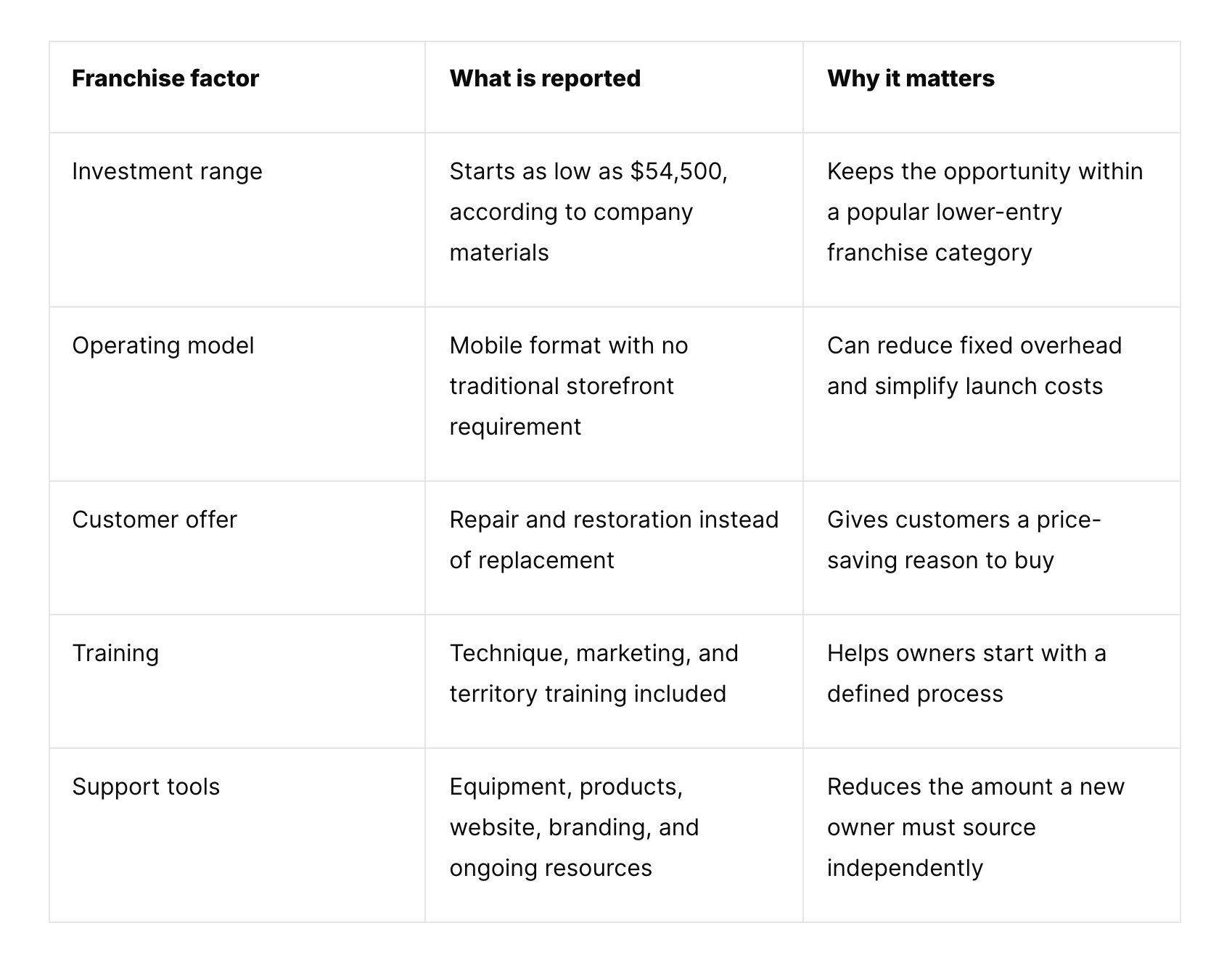
Color Glo stands out as a top low-cost franchise, ranked No. 75 by Entrepreneur for 2026, with mobile operations and startup costs from $54,500.
Color Glo International has added another notable milestone to its franchise story. The brand ranked No. 75 in Entrepreneur’s 2026 Top Franchises for Less Than $100,000, one of the publication’s most watched investment categories. The ranking appears on Entrepreneur’s franchise directory and in Entrepreneur’s Startups, placing Color Glo in front of a large audience of franchise buyers who are actively looking for lower-entry business opportunities.
That recognition matters for more than bragging rights. It gives prospective franchise owners a useful starting point when comparing cost, business format, support, and brand history. For anyone searching for a top low-cost franchise, Color Glo now has fresh third-party validation alongside a business model built around mobile restoration and repair.
Entrepreneur’s 2026 low-cost franchise ranking puts Color Glo in a strong position
Entrepreneur’s under-$100,000 ranking remains one of the most appealing lists in franchising because it speaks to a practical question: what can a buyer realistically start without crossing into a much higher capital range? Many people interested in business ownership are not searching for a large retail footprint, a major construction budget, or a long runway before opening day. They want a path to ownership that is financially more approachable.
Color Glo’s placement at No. 75 signals that the brand belongs in that conversation. It also adds to a record of visibility in franchise rankings. Entrepreneur’s directory page for the brand also shows a No. 67 ranking in the 2025 Top Global Franchises list and a No. 86 ranking in the 2023 Top Home-Based & Mobile Franchises category.
Why the Color Glo mobile franchise model supports lower startup costs
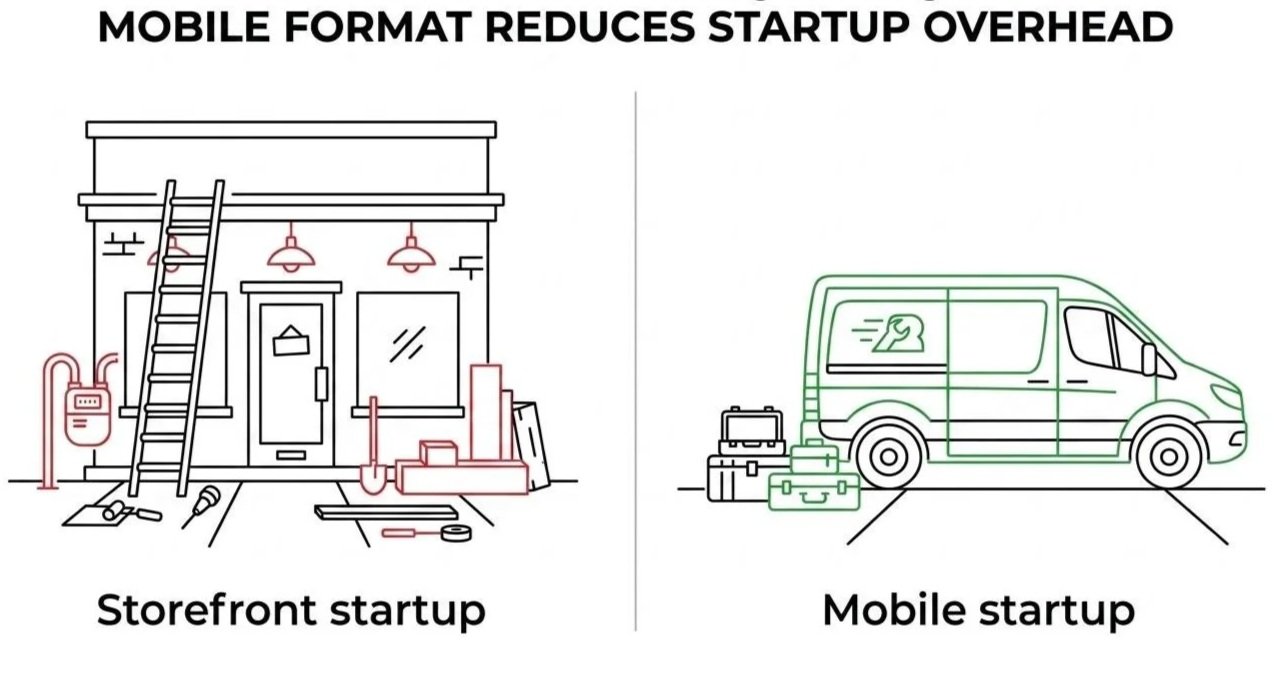
A major reason Color Glo fits the low-cost franchise category is its mobile format. Our business is designed without the same storefront overhead that comes with a fixed retail location. That can mean less spent on rent, build-out, utilities, and the many costs that tend to grow before revenue does.
In practical terms, a mobile service model can give a new owner a different kind of launch. Instead of focusing first on real estate and interior construction, the emphasis shifts toward training, equipment, territory development, and customer acquisition. That is a meaningful distinction for buyers who want to start with a tighter budget and a more direct path to operations.
A Color Glo franchise investment starts as low as $54,500, which places it well inside the under-$100,000 category. That low-entry positioning becomes more persuasive when paired with a service customers already understand: repair and restoration that can offer a cost-saving alternative to replacement.
A mobile model often appeals to buyers looking for:
lower facility overhead
faster setup
local territory focus
service-based revenue
schedule flexibility
What the Color Glo franchise startup package includes
Cost gets attention first, but support often determines whether a franchise feels realistic for a first-time owner. Color Glo’s materials describe a startup package aimed at reducing the uncertainty that can come with launching a specialized service business.
Our franchise FAQ, will reveal that your initial investment includes an exclusive territory, two weeks of technique and marketing training, and one full week of territory training. The package also includes products, equipment, custom vehicle decals, a customized website, and initial sales and marketing materials. That points to a model that tries to give franchisees the tools to begin selling and servicing work without building every system from scratch.
Color Glo franchise support features at startup
Several elements stand out in Color Glo’s startup package:
Territory: exclusive market area for local growth
Training: hands-on technical instruction plus marketing education
Equipment: products and tools needed for restoration work
Branding: custom vehicle decals and a customized website
Launch materials: initial sales and marketing assets
Ongoing help: forums, manuals, training videos, seminars, workshops, and technical support
That combination supports the Color Glo opportunity as a turnkey business. For a buyer comparing franchise models, turnkey does not mean effortless. It does mean the systems, supplies, and support structure may already be organized in a way that shortens the setup period.
How the Color Glo restoration business creates customer value
A low-cost franchise still needs a compelling reason for customers to buy. In Color Glo’s case, that reason is straightforward: restoration can be far less expensive than replacement. Color Glo customers can often save up to 70% or more by restoring damaged leather, fabrics, plastics, and related surfaces rather than replacing them outright.

That value proposition matters in many economic climates. Consumers and businesses alike often look for ways to keep assets in use longer, especially when appearance, functionality, and budget all matter at the same time. A service that restores worn or damaged surfaces can meet a real need without asking customers to make a full replacement purchase.
Color Glo is a leader in restoration and repair across leather, vinyl, fabric, plastics, and fiberglass. This variety matters. A franchise with multiple service categories may be able to speak to more than one type of customer need, and that can help a local owner build a wider base of business.
Color Glo franchise rankings and brand history add useful context
Rankings capture attention, but it’s the story behind the numbers that truly sets a franchise apart. For Color Glo, earning a spot on Entrepreneur’s 2026 Top Franchises Under $100,000 list is a proud milestone—one that reflects not just affordability, but decades of proven performance. Since our formal incorporation in 1975 and the launch of our franchise program in 1982, we’ve built a business model that has stood the test of time and market cycles.
Our reach now extends to more than 52 countries worldwide, demonstrating the universal appeal of our services and our ability to support franchise owners on a global scale. While international presence is no substitute for local success, it does speak to the strength and adaptability of the Color Glo system.
Recognition from Entrepreneur Magazine further validates our commitment to excellence. In addition to our 2026 under-$100,000 ranking, we are honored to have secured the #252 spot in Entrepreneur’s 2025 Franchise 500. Consistent recognition across multiple industry lists gives prospective franchisees a comprehensive view of our brand’s reputation and market standing—offering confidence that Color Glo is a name you can trust for your business future.
Who the Color Glo Low-Cost Franchise Is Designed For
At Color Glo, we understand that the right franchise fit is essential for long-term success. Our model is especially well-suited for individuals seeking a service-based business rather than a traditional retail storefront. With our mobile format, comprehensive technical training, and accessible startup investment, Color Glo appeals to those who thrive in hands-on operations, enjoy building local relationships, and prefer engaging directly with customers over managing a large staff from day one.
Our franchise is also ideal for entrepreneurs who value delivering practical solutions to their communities. Restoration is straightforward and easy to communicate—customers immediately see the benefits: extending the life of their possessions, enhancing appearance, and saving money compared to full replacement.
Many of our most successful owners were drawn to Color Glo for these reasons:
A manageable startup investment
Mobile, flexible operations
Consistent demand for restoration services
Proven brand systems and support
Opportunities to grow and build a local presence
Questions Every Prospective Color Glo Franchise Owner Should Consider
Earning recognition from Entrepreneur is a powerful endorsement, but we believe that informed decisions create the strongest partnerships. We encourage every prospective owner to review our Franchise Disclosure Document, carefully compare the total investment to your resources, and ask thoughtful questions about our training, support, territory development, and daily operations. While our lower entry point is attractive, the best results come when your skills, goals, and work style align with our model.
We also recommend looking beyond the headline numbers to understand how our business thrives in local markets. Success with a mobile service brand like Color Glo is built on proactive outreach, a strong reputation, repeat business, and efficient scheduling. These are all important areas to explore as you research your franchise options.
Consider asking:
How does Color Glo’s training prepare new owners without a restoration background?
What local sales strategies are most effective in the first year?
How does Color Glo support franchisees with territory development after launch?
What ongoing technical assistance is available as service needs evolve?
How should new owners plan for working capital beyond the initial investment?
Our recent placement in Entrepreneur’s 2026 ranking is a testament to the strength and appeal of the Color Glo opportunity. With a mobile business model, a startup package focused on training and equipment, a compelling customer value proposition, and consistent industry recognition, Color Glo stands out as a brand built for those seeking a low-cost entry point, robust support, and a service that customers truly appreciate. If you’re ready to build a business with real impact, we invite you to take a closer look at what Color Glo has to offer.