Top Low-Cost Franchise Opportunities in 2026: Why Color Glo Ranked Among Entrepreneur’s Best Franchises Under $100K
Explore low-cost franchise opportunities in 2026, including mobile models like Color Glo, with lower startup costs and flexible ownership.
Low-cost franchise opportunities matter because they lower the cash barrier to business ownership while still giving buyers a tested brand, operating system, and training path. These affordable franchise options offer new owners a head-start compared to higher capital requirements and deliver proven investment structures along with streamlined services. For many first-time owners, the primary problem is not ambition. It is avoiding a six-figure buildout, heavy payroll, and long lease commitments before revenue starts. That is why the 2026 recognition of Color Glo International in Entrepreneur’s list of top franchises for less than $100,000 stands out for buyers comparing affordable franchise opportunities, home based opportunities, and mobile service models.
Why are entrepreneurs searching for low-cost franchise opportunities in 2026?
Rising borrowing costs and tighter lending have pushed more buyers toward franchises under $100,000 instead of capital-heavy concepts. Entrepreneur and Franchise Business Review both reflect a market where buyers want proven systems without the burden of a large storefront investment. Additionally, many potential owners are comparing various franchise options to manage their overall investment, ensuring that the ongoing costs and returns on their investment make sound financial sense.
The appeal is practical. A lower entry point can preserve personal liquidity, reduce debt service, and shorten the time it takes to reach break-even. Franchise Business Review reported in 2024 that all brands on its Top 50 Low-Cost Franchises list had an initial investment starting under $100,000, and many could be financed with as little as $15,000 to $20,000. Smart entrepreneurs are looking for franchise options that allow multiple avenues for investment growth and cost savings while delivering reliable services.
A common mistake is to treat “low cost” as just the franchise fee. Serious buyers compare the full startup picture: equipment, insurance, vehicle costs, working capital, royalty fees, advertising expenses, and how long it may take to build a customer base. If a brand looks inexpensive up front but demands high fixed overhead each month, then it may not feel low cost in practice. Balancing the overall investment expenditures with predictable services and support is key to selecting one of the best franchises.
Why did Entrepreneur rank Color Glo in the 2026 top franchises under $100,000?
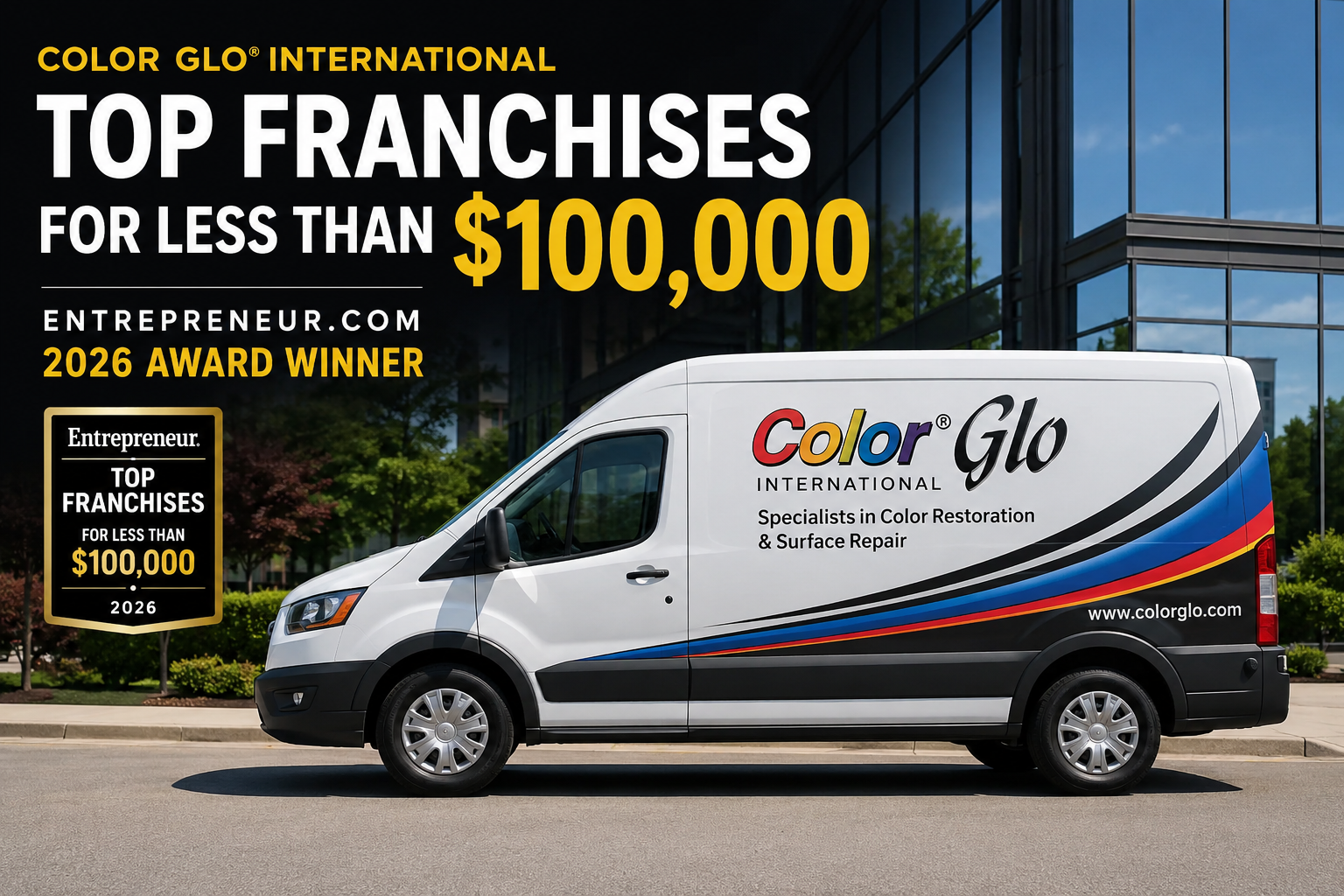
Entrepreneur ranked Color Glo International No. 75 in its 2026 entrepreneur top franchises under $100,000 list. That matters because it places the brand in a national conversation about affordable business opportunities with verified buyer interest. Being included alongside well-regarded franchises reinforces the credibility of the overall investment and signals robust services provided by Color Glo.
The ranking fits the core economics buyers look for in top low-cost franchises. Color Glo states that its franchise investment starts as low as $54,500, a figure that resonates well with potential investors seeking cost-effective opportunities. The company also presents a mobile model, which removes the need for a traditional storefront and the rent, utilities, and staffing that often come with one, thereby reducing the total investment required.
The brand’s operating history likely helped too. Color Glo says it began in 1982 and has expanded into hundreds of markets, including Canada and more than 52 countries. Longevity does not guarantee returns, but it does signal system maturity, process refinement, and a brand story that is easier for buyers to vet while simultaneously ensuring consistent services to clients. Many entrepreneurs have also compared multiple franchises to evaluate which investment and operational support system best suits their needs.
One useful reality check: Entrepreneur has long described these lists as a starting point for research, not an investment recommendation. That is exactly how experienced franchise buyers use them when comparing various franchise options.

What are the top low-cost franchises and business models buyers compare in 2026?
The best franchises under 100k usually combine moderate startup costs, repeatable demand, and simple field operations. Color Glo International is a strong example because it pairs a specialized service with a mobile repair franchise structure. When evaluating the total investment, buyers consider both the upfront costs and the efficiency of the ongoing services that support the business.
When buyers compare affordable franchise opportunities, they often narrow the field by business model first, not by industry first. That helps separate concepts that depend on walk-in traffic from those that can operate from a home office or vehicle-based route. These franchises often offer attractive investment metrics and reliable services that help stabilize returns.
Color Glo International: A restoration-focused, mobile service model with stated startup investment beginning as low as $54,500 and a niche position in leather, vinyl, plastic, and fabric repair.
Commercial cleaning concepts: Often B2B, contract-driven, and relatively light on storefront overhead. These franchises combine low initial investment requirements with recurring cleaning services.
Senior service referral models: Commonly home based, sales-driven, and relationship-heavy, making them appealing for investors seeking low-cost entry with high-touch services.
Travel planning franchises: Digital and home office friendly, though demand can be cyclical; these options offer flexible investment choices.
Pet and mobile service models: Strong local appeal, but route efficiency and labor can shape margins while providing essential pet care services.
The key trade-off is simple. Lower-cost concepts often save money by replacing expensive real estate with local selling effort. If you prefer operating systems and client outreach over managing a retail location, these models tend to look better, both in terms of upfront investment and the quality of services delivered.
What makes Color Glo one of the most affordable franchise opportunities?
Color Glo appears affordable because its model removes storefront overhead while bundling core startup assets into the initial package. The company says the investment includes exclusive territory rights, training, equipment, marketing materials, and support. This streamlined investment approach makes Color Glo one of the most attractive franchise options available today.
That structure matters. Buyers looking for affordable franchise opportunities are not just trying to spend less. They are trying to avoid fragmented startup spending, where the fee is only the beginning and everything else gets added later. Careful evaluation of the total investment versus ongoing services is essential when comparing franchises.
Color Glo’s franchise FAQ states that franchisees receive two weeks of technique and marketing training, one week of territory training, products and equipment, vehicle decals, a customized website, and sales and marketing materials. The same FAQ says franchisees should expect to retain 75% to 90% of receipts because the business is not overwhelmed with overhead. The relatively low ongoing investment and efficient service operations position Color Glo as a competitive option among franchises.
The trade-off is that a low-overhead model still depends on owner execution. A mobile repair franchise can be lean, but it also requires disciplined scheduling, strong local sales activity, and consistent service quality.
A buyer comparing home service franchise opportunities should look closely at what is included up front:
Territory rights: Defined market protection can reduce internal competition.
Training package: Technical instruction matters more in specialized repair than in simple resale.
Equipment and marketing assets: Bundled startup tools can reduce early cash surprises and streamline the overall investment process.
How should you evaluate franchises under $100,000 step by step?
Start with total economics, not marketing claims. The IFA and Entrepreneur both point buyers toward documents, fees, and professional review before making a franchise decision.
Step 1 is to read the Franchise Disclosure Document with a cost lens. Item 7 shows estimated initial investment. Item 19, if provided, may offer financial performance information. If a brand is marketed as one of the best franchises under 100k, check whether the estimate includes vehicle, insurance, travel, and opening working capital. These details are critical to understanding the full investment in the franchise.
Step 2 is to model recurring costs. The IFA notes that royalty fees, advertising expenses, licenses, and insurance can materially affect actual operating economics. If monthly fixed costs stay low, then a smaller revenue base may still support the owner. If fixed costs stack up quickly, then the low entry point can become less meaningful, regardless of the initial investment.
Step 3 is to talk with franchisees and outside advisors. A franchise attorney can review agreement terms. An accountant can test break-even assumptions. A common misconception is that low cost means low risk. It usually means lower capital exposure, which is helpful, but execution risk remains, as does the challenge of managing ongoing services effectively.

How does a mobile repair franchise compare with a storefront franchise?
A mobile repair franchise usually wins on overhead, while a storefront often wins on visibility. Color Glo and retail-style concepts represent two very different operating systems even when both serve local consumers with quality services. For many, the lower overall investment in a mobile model outweighs the visible presence of a storefront franchise.
A storefront franchise may benefit from signage, foot traffic, and a fixed customer destination. That can help in categories where impulse purchases or routine walk-ins matter. The cost is obvious: rent, utilities, buildout, and often a larger labor plan. This increases the upfront investment and can reduce the flexibility of the services offered.
A mobile model shifts those economics. The vehicle becomes part of the operating platform, and the territory becomes the storefront. That makes cash needs lighter, but customer acquisition depends more on outbound marketing, local relationships, digital visibility, and route planning. As a result, the mobile franchise options often require a lower total investment, while still delivering comprehensive repair services.
Side-by-side comparison of a mobile repair franchise and a storefront franchise, highlighting overhead, customer acquisition, staffing, and operating setup.
Here is the if-then logic buyers should use. If you want lower fixed overhead and the flexibility to serve customers at homes or commercial locations, then a mobile service model may fit better. If you want daily walk-in exposure and are comfortable managing a lease and site staff, then a storefront may fit better.
How do restoration franchise opportunities compare with food or retail concepts under 100k?
Restoration franchise opportunities are usually service-led, while food and retail concepts are inventory-led. Color Glo sits in a category where technical skill, local accounts, and asset preservation shape demand more than foot traffic. In comparing the total investment and the overall quality of services provided, many entrepreneurs find restoration franchises to be an attractive option.
That difference changes risk. Food concepts often face perishability, waste, staffing pressure, and rigid operating hours. Retail concepts can carry inventory exposure and sensitivity to discretionary spending. A restoration franchise may avoid those pressures, yet it must earn trust one job at a time and build strong referral channels. Such franchises also emphasize high-quality services that extend the life of valuable assets.
A common misconception is that restoration only means emergency disaster work. In practice, a leather repair franchise or surface restoration business can serve ongoing wear-and-tear needs across automotive, furniture, marine, aviation, hospitality, and residential markets. That broadens the revenue base and helps explain why many buyers search for restoration franchise opportunities alongside home service franchise opportunities.
How does Color Glo training and support work for new franchise owners?
Color Glo offers a defined onboarding path built around technical training, marketing training, and territory support. The company states that franchisees receive two weeks of technique and marketing training plus one week of territory training. This initial investment in training covers both operational services and the essential skills needed to succeed with Color Glo.
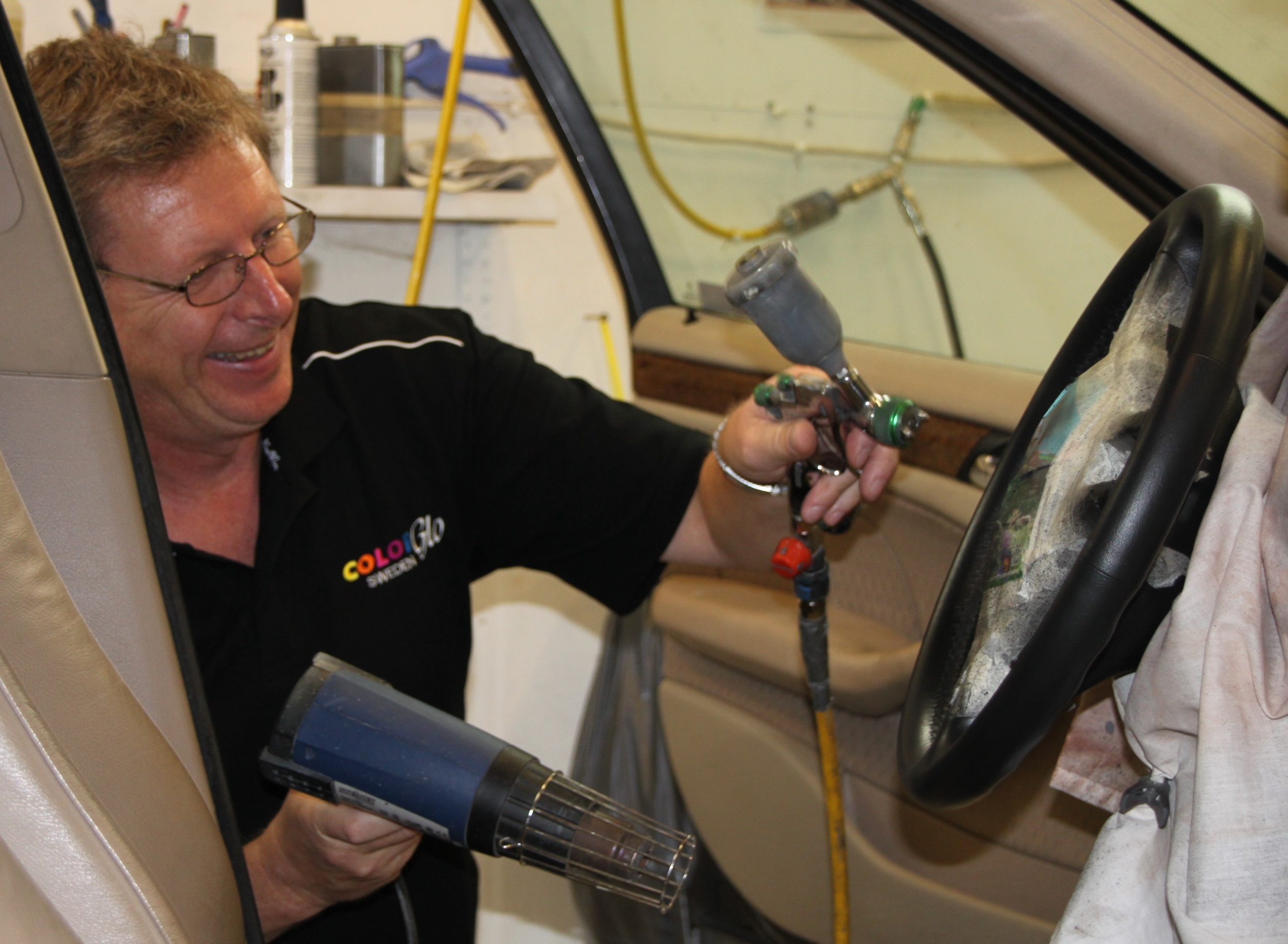
Step 1 is skill development. A specialized service concept needs repeatable methods, not guesswork. Technical training helps new owners learn repair processes, color matching, and service delivery standards. That is especially important in a leather repair franchise, where visible mistakes can hurt trust quickly and increase subsequent investment in remedial services.
Step 2 is market setup. Territory training, vehicle decals, a customized website, and sales materials support the local launch. This is where many home based opportunities separate strong operators from weak ones. The business may be run from home, but the demand engine is built in the field, reducing the total investment required for physical locations while still offering quality services.
Step 3 is post-launch support. Products, equipment, and ongoing system guidance matter because the owner is not inventing the process alone. Pro tip: training shortens the learning curve, but it does not replace local sales discipline and the effective delivery of customer services.
What industries can a leather repair franchise actually serve?
Color Glo serves more than residential furniture repair. Automotive dealerships and hospitality operators are natural examples because they care about appearance, asset life, and replacement cost. This broader range of services enhances the overall investment potential for franchisees looking to diversify their revenue streams while comparing various franchise options.
That broad service base is a major reason many buyers consider this one of the more practical affordable business opportunities in the service sector. Repairing and restoring leather, vinyl, plastic, and fabric can help clients preserve assets instead of replacing them, which is attractive when replacement costs rise. Such multi-industry franchises emphasize both a strong initial investment and ongoing revenue through consistent services.
Common end markets often include:
Automotive: Dealerships, used-car lots, fleets, rental agencies – a sector that values frequent maintenance services.
Furniture and residential: Sofas, recliners, dining chairs, in-home service calls – all requiring a steady investment in quality repairs.
Commercial accounts: Hotels, restaurants, medical offices, aviation, marine – each benefiting from specialized repair services.
This multi-market reach also changes seasonality risk. If one local segment slows, another may stay active. That is a useful edge in home service franchise opportunities where diversification supports steadier cash flow and boosts the return on the overall investment.
Who is the ideal owner for a home based opportunity like this?
The ideal owner is coachable, sales-aware, and comfortable working from a home office and in the field. Color Glo is not limited to technicians. It can also fit operators who learn systems well and build local relationships consistently while keeping a close eye on the total investment and the effectiveness of the provided services.
Step 1 is to assess how you sell. This business rewards owners who can introduce themselves to dealerships, furniture retailers, property managers, and referral sources. If you dislike outreach entirely, then even a strong service model may feel harder than expected, and the overall investment may seem riskier in the long run.
Step 2 is to assess how you operate. You do not need to begin as a master craftsperson. That is a common misconception. You do need patience, attention to detail, and the willingness to follow training standards until quality becomes routine. These qualities help ensure that every dollar of your investment translates into superior services.
Step 3 is to assess your ownership goals. If you want a home based opportunity with lower fixed overhead and a hands-on role, this model can make sense. If you want a mostly absentee investment from day one, it may be a poor fit compared to other franchise options available in the market.
How do you budget for franchise costs beyond the initial investment?
Budgeting should extend at least 12 months past launch. The IFA’s guidance on royalties, advertising, licenses, and insurance shows why “startup cost” and “ownership cost” are not the same thing. A careful review of the total investment, including recurring expenses and ongoing services, is critical.
Start with the stated initial investment. For Color Glo, the company says entry can begin as low as $54,500. Then add every recurring cost that affects cash flow: product replenishment, fuel, vehicle maintenance, insurance, local marketing, technology, and any royalty or advertising obligations. Many franchise options require an additional round of investment later on to support enhanced services.
Next, build two scenarios. In the first, revenue ramps quickly. In the second, sales take longer to build. If the business remains workable under the slower scenario, then your plan is far more durable and accounts for the real costs of both the initial investment and ongoing services.
A clean budgeting framework usually includes:
Startup uses: Fee, equipment, training travel, vehicle setup, opening supplies.
Monthly obligations: Insurance, marketing, royalties, fuel, phone, software.
Cash cushion: Personal draw and working capital for a slower launch period.
That discipline helps buyers separate a truly affordable franchise opportunity from one that only looks inexpensive in the brochure, ensuring that both the investment and the services you receive are up to standard.
Inquire about owning a Color Glo Franchise
If you’re ready to explore a rewarding path in business ownership with a proven leader in restoration franchise opportunities, now is the perfect time to connect with Color Glo International. Our team is here to answer your questions, provide detailed information about our affordable franchise opportunities, and guide you through every step of the process. Whether you’re comparing various franchise options or considering the total investment versus ongoing services, reach out today to discover how you can join one of the top low-cost franchises and start building a successful future with Color Glo. Your journey toward owning a thriving, home-based business starts with a simple conversation—contact us to get started!

CGI Named Top Global Franchise By Entrepreneur 2017!
Minneapolis, July 25th, 2017 - Color Glo International, the world leader in restoration and repair of leather, vinyl, velour, cloth and hard plastics, announced today that it was recently ranked in Entrepreneur magazine’s Top Global Franchises list.
Press Release. Color Glo International Named a Top Global Franchise By Entrepreneur Magazine for 2017!
Minneapolis, July 25th, 2017 - Color Glo International, the world leader in restoration and repair of leather, vinyl, velour, cloth and hard plastics, announced today that it was recently ranked in Entrepreneur magazine’s Top Global Franchises list. This list recognizes the top 200 franchisors that are seeking franchisees outside of the U.S., based on data submitted for Entrepreneur’s Franchise 500® ranking. Color Glo International was ranked #106.
“What you get by achieving your goals is not as important as what you become when you achieve your goals.”
“The companies on our Top Global Franchises list are overcoming logistical challenges and cultural differences to bring their products and services—and their franchise opportunities—to people all around the world,” says Jason Feifer, editor in chief of Entrepreneur.
Entrepreneur’s 2017 Top Global Franchises were determined by adjusting the company’s Franchise 500 formula to give extra weight to international size and growth. Other areas evaluated by the formula include costs and fees, franchisee support, brand strength, and financial strength and stability. Color Glo International’s position on the ranking shows that it’s a franchise opportunity with worldwide appeal.
To view Color Glo International in the full listings, visit https://www.entrepreneur.com/franchises/topglobal and navigate to page 3. The list can also be seen in the July/August issue of Entrepreneur, available now on newsstands.
About Color Glo International
Color Glo International is the World Leader in restoration and repair of leather, vinyl, velour, cloth and hard plastics commonly found in the markets of Automotive, Aircraft, Marine and Furniture. Formally incorporated in 1975 Color Glo began franchising in 1982. Today in hundreds of markets throughout world. Color Glo products are proven everyday to offer the correct results and best value every time they are put to the test.
Contact Us
Gary Smith Scott Smith
Gary@colorglo.com Scott@colorglo.com