
Restoration for Aircraft Interiors: Sustainable Innovation by Color Glo
Airlines and operators face a simple but expensive choice each time a cabin ages: renew what you have or start over. Color Glo International has spent decades proving that precision restoration can look and perform like new while saving money, time, and emissions. Our comprehensive services are designed to extend the life of the interior space without compromising on quality. That message is front and center in Aerospace & Defense Review’s profile of Color Glo, which spotlights how careful engineering and eco-friendly chemistry are reshaping aircraft interiors.
What the feature article gets right about modern cabin renewal
The publication underscores two points that matter to maintenance leaders. First, restoration is no longer a patch-and-pray exercise. Color Glo’s technicians work to exacting standards, matching OEM colors and textures with layered, water-based coatings that are non-flammable, low odor, and low VOC. The goal is a surface that looks like it left the factory, not an obvious touch-up. CGI's aviation products are designed to dry quickly, cutting aircraft downtime and keeping on-wing repairs efficient.
Second, sustainability is designed into the process. Rather than discarding worn leather, vinyl, or plastic, Color Glo reuses the existing substrates and refinishes the topcoat. The company emphasizes water-based, non-toxic systems across its franchise network, with aviation-approved chemistries used in private, corporate, and commercial fleets. Because the work is mobile and performed on-site, operators avoid shipping seats or panels to a shop, trimming both emissions and schedule risk.
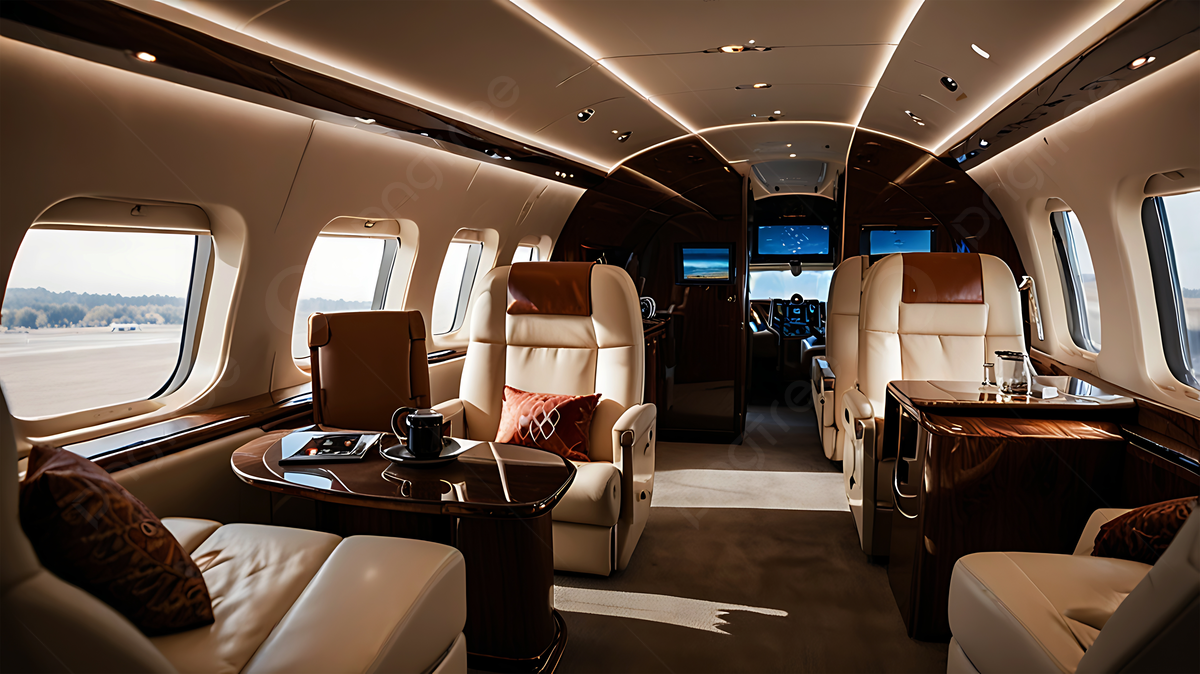
Renew vs replace: a practical comparison
Consider how budgets and schedules behave when you refinish rather than re-buy a certified component. The differences add up fast.
| Factor | Refurbish with on-site restoration services | Replace with new components |
|---|---|---|
| Direct Cost | Uses existing leather/vinyl/plastics; limited new material | New certified parts, foam, trim, and hardware |
| Downtime | Quick-dry, on-wing work: limited disruption | Removal, shipping, install, and paperwork cycles |
| Compliance | FAA/EASA-approved processes maintain burn certs | New parts are certified; older discarded parts become waster |
| Environmental impact | Minimal waster, fewer new materials; lower VOCs | Higher carbon footprint from manufacturing and logistics |
| Visual outcome | Color-matched and texture-matchd to OEM look, preserving the original cabin space | OEM fresh look, but at a premium price and longer lead time |
After hundreds of aircraft and thousands of seats, a pattern emerges: restoration cuts material use and turnaround time while preserving cabin consistency. Independent estimates put private jet re-covering alone in the mid four to low five figures per seat, so avoiding full replacements can free significant budget headroom.
Color Glo’s guarantee is telling here: our finishes are expected to wear as well as the original. Operators that schedule annual touch-ups report interiors that still present like new after years of service.
After living with both strategies, maintenance leaders usually favor targeted restoration for non-structural cabin items.
High-wear zones: armrests, bolsters, drink rails, tray tables, and seatbacks.
Color consistency: re-dye to original codes, eliminating patchwork replacements.
Schedule: on-site work while the aircraft is in for routine checks or overnight.
Plastic, leather, and fabric: how the work actually gets done
Aircraft interior repair is a broad term. In practice, it means component-level precision.
Plastic and composite trim such as sidewalls, shrouds, and bezels can be cleaned, lightly abraded, filled where scuffed or nicked, and refinished with water-based coatings tuned to the original sheen. Because the substrate stays in place, alignment and fit are unchanged.
Leather seat restoration goes deeper than conditioner. Technicians repair cuts and worn spots, re-texture micro-cracks, and re-dye to the original color so the topcoat blends across the entire panel. In addition, the company’s specialized aircraft leather repair ensures that even high-quality leathers regain their luxurious look without compromising on flammability or safety. The chemistry is odor-free and non-flammable, a must in tight cabins. Fabrics and headliners receive careful cleaning and spot repair; if fibers are intact, color-restoration brings back uniform tone and brightness.
The objective is simple: preserve the OEM design language while renewing the surfaces people see and touch. That is where exact color matching and thin, layered finishes matter. Repairs disappear, crew and passengers notice only a clean, consistent cabin, and the part stays in service longer.
Common cabin items that respond well to restoration include:
Armrests and bolsters
Seat cushions and backs
Sidewalls and window reveals
Tray tables and drink rails
Cockpit yokes and panels
Headliners and select soft goods
Compliance without compromise
Cabin cosmetics cannot come at the expense of safety documentation. Color Glo integrates its work with FAA/EASA requirements through a repair-station quality system operated with Aero Interior Maintenance (AIM). That process guards against the silent risk that haunts ad hoc interior work: lost or invalid burn certificates.
AIM’s guidance is candid. Any cleaning, dyeing, or repair done outside a documented, approved process can devalue an aircraft, because flame, smoke, and toxicity qualifications are tied to the exact configuration and materials in service. With the Color Glo and AIM framework, every product is tracked from origin to use, and the work is logged with FAA Form 813-3 or an appropriate logbook entry. Existing flammability approvals remain intact, and operators retain a clean paper trail.
The upshot: “FAA approved interior repair” is not marketing copy; it’s a documented method that keeps your aircraft airworthy on paper as well as in practice.
Economics and sustainability are moving in the same direction
The price of new cabin components has climbed, strained by supply chain limits and higher material costs. Airlines have responded by refreshing cabins at scale to keep fleets productive while waiting on new aircraft. Recent reports highlight multi‑billion dollar refurb programs and capacity-boosting retrofits across major carriers. Market analysts reflect the same story: the refurbishing segment is sizable and growing, with North America and Europe leading on scale and spend.
Restoration reduces landfill waste and cuts embodied carbon, because the heaviest impact in a seat or panel is the original manufacturing. Reusing that substrate avoids new hides, foams, plastics, and their shipping footprint. Industry sources show large CO₂ deltas between new and recycled or restored surfaces, with potential weight savings translating to fuel savings over time.
Color Glo’s contribution sits squarely in a circular model. Keep products in service longer, reduce new material demand, and minimize harmful emissions by using water-based, low-VOC, non-flammable coatings. Color Glo's mobile model helps too, since fewer parts are trucked to shops, and the aircraft can return to revenue service faster.
How Color Glo’s footprint spans aircraft categories

The franchise network covers work on personal, corporate, and commercial aircraft, along with government and military fleets where allowed. That reach matters because cabin wear patterns differ by mission. A Gulfstream that logs long sectors sees different stress points than a regional jet with 10 turns a day. In both cases, on-site service helps operators capture downtime windows, from overnight checks to A/B maintenance events, while preserving the optimum use of available space for passengers.
Competitively, Color Glo plays a distinct role next to seat OEMs and large MROs in aircraft restoration. While providers like Recaro now offer in-house overhauls and specialists like Aviationscouts rebuild surplus seating, a mobile surface-restoration team complements those paths by tackling the everyday scuffs and wear that trigger passenger complaints and brand risk. It’s the missing middle between full reconfiguration and letting wear accumulate.
Search terms maintenance leaders actually use
When teams go hunting for solutions, the questions are concrete. That’s why you’ll see phrases like aircraft interior repair, aircraft seat restoration, refurbish vs replace airline seats, mobile aircraft interior repair, water-based aviation dyes, and FAA approved interior repair embedded throughout this discussion. These reflect real decision points: cost, downtime, regulatory safety, and the passenger experience. In addition, queries often include terms like aircraft leather repair as maintenance leaders seek trusted methods and services to extend the life of high-value cabin components.
Techniques and tools that keep raising the bar
Color Glo’s method evolves through product R&D and field practice. Over the years, the company expanded its formulations from a handful to more than 100, tuned for different substrates and gloss levels. In the hangar, faster color-matching tools, better fillers, and improved quick-cure coatings shave hours off each task. That incremental speed matters to dispatch, and the visual quality helps operators protect cabin ratings and NPS scores.
The broader industry is also steering toward circularity, prioritizing reuse and repair where safe and practical. Cabin experts point to reuse as a primary lever for waste reduction, paired with responsible recycling at end of life. Restoration sits at the center of that model.
Why the math tilts toward restoration in a high-cost environment
Lead times for new interiors remain long, and inflation has raised replacement costs across leather, foams, and engineered plastics. Airlines and lessors still need cabins that sell tickets today. That pressure is shifting more work toward refurbishment, even among seat OEMs and teardown specialists who now offer upgrade kits and overhaul packages next to new builds.
Color Glo’s model lines up with the moment: mobile teams, water-based chemistry, and FAA/EASA-compliant processes engineered for in-service assets. For operators, that means fewer capital surprises, predictable turnarounds, and cabins that hold their value.
Fast economics: lower material spend, shorter downtime, and fewer logistics touches.
Regulatory clarity: documented processes that protect burn certs and resale value.
Sustainability gains: reuse over replacement with low-VOC, non-flammable coatings.
The Aerospace & Defense Review profile captures the essence: sustainable solutions paired with precision engineering deliver interiors that look new without starting from scratch. For flight departments, MRO planners, and airline product teams weighing renew vs replace, this is the practical path to better cabins now.
Contact Color Glo International
Ready to elevate your fleet with sustainable, precision-engineered restoration? Contact a Color Glo International specialist today to discover how our professional on-site aircraft restoration services can renew your interiors, extend asset life, and deliver exceptional value. Transform your aircraft with the industry leader in plastic, leather, and fabric repair—reach out now to schedule a consultation and experience the Color Glo difference.